EGP Micro Prismatic Reflective Sheeting vs. Acrylic Prismatic: What's the Real Difference?
EGP Micro Prismatic Reflective Sheeting vs. Acrylic Prismatic: What's the Real Difference?
June 08, 2026
Our company was produce wide range of reflective material include glass beads reflective sheeting, reflective fabric, also Micro prismatic reflective sheeting and reference reflective safety products, it was also widely application on different kinds of reflective traffic safety facility, it is include reflective traffic cone, reflective road studs, solar road studs, rubber speed hump, LED traffic baton, traffic barriers, parking accessory, traffic mirror, reflective safety vest, barricade ...
Mabu - CEO Lianxing
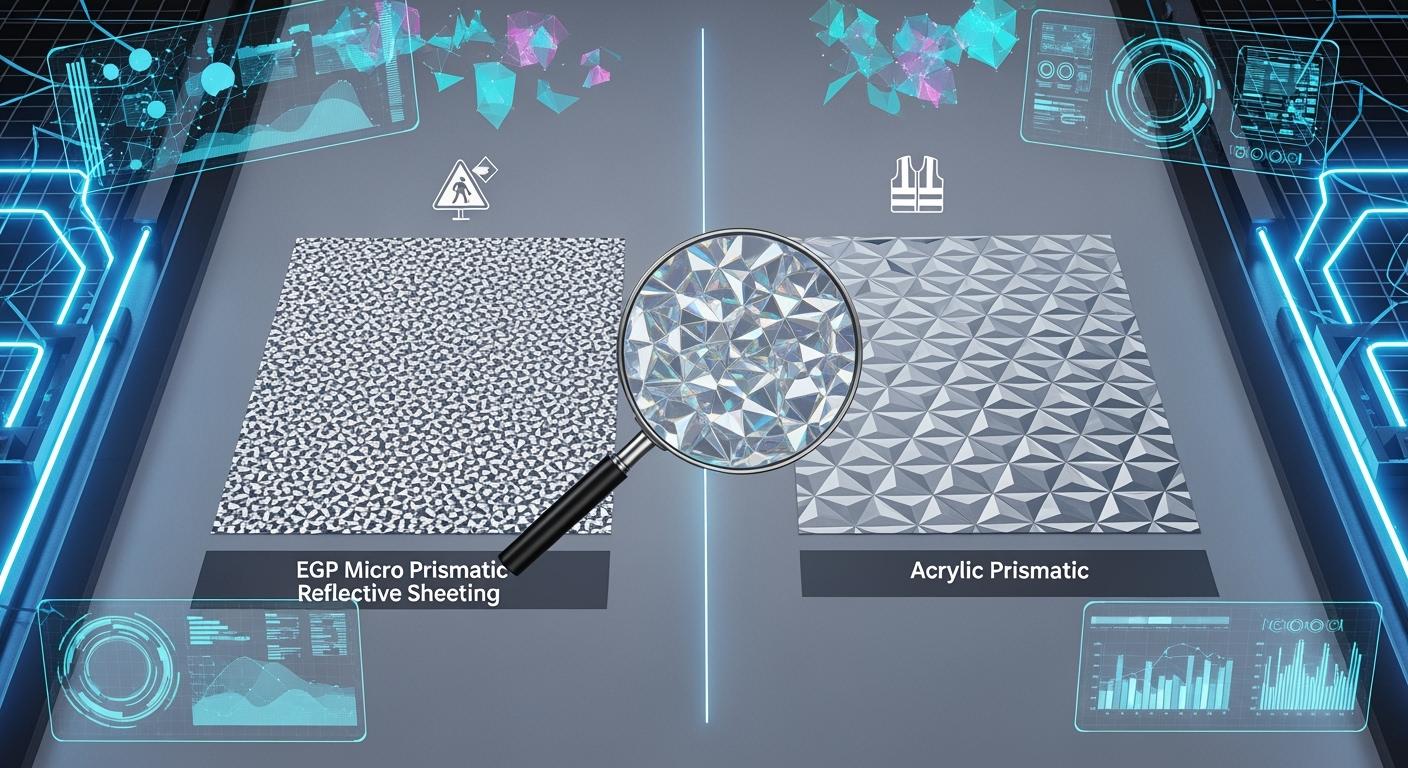
You will notice a clear distinction between EGP Micro Prismatic and Acrylic Prismatic Reflective Sheeting. EGP Micro Prismatic uses advanced polymer materials that deliver higher brightness and improved durability. Acrylic Prismatic sheeting relies on a rigid acrylic base, which offers solid reflectivity but less flexibility and shorter lifespan. If you need maximum visibility, long-term outdoor performance, or superior resilience, EGP Micro Prismatic stands out as the optimal choice.
Key Takeaways
EGP Micro Prismatic sheeting offers higher brightness and durability, making it ideal for critical safety applications.
Acrylic Prismatic sheeting is more affordable but less flexible, making it suitable for stable environments.
Choose EGP Micro Prismatic for areas with harsh weather or high physical stress to ensure long-lasting visibility.
Consider the total cost of ownership, as EGP Micro Prismatic may save money over time due to lower maintenance and replacement needs.
Always verify compliance with industry standards like ASTM D4956 to ensure safety and performance in your signage.
Material Comparison
EGP Micro Prismatic Materials
You encounter EGP Micro Prismatic Reflective Sheeting made primarily from PVC. Manufacturers select PVC for its flexibility and resilience. This material allows you to install signs or markings in environments where bending or stretching may occur. PVC also resists many environmental stresses, including moisture and temperature changes. You benefit from a surface that maintains its reflective properties over time, even when exposed to harsh outdoor conditions.
Acrylic Prismatic Materials
Acrylic Prismatic Reflective Sheeting uses a PMMA (polymethyl methacrylate) acrylic surface layer. This rigid acrylic base provides a strong structure and a smooth finish. You notice that acrylic offers high weather resistance, which helps maintain reflectivity in challenging climates. However, acrylic lacks the flexibility of PVC. When you choose acrylic prismatic sheeting, you gain a product that stands up well to UV exposure and physical impacts, but it may crack or degrade faster if subjected to repeated bending or extreme cold.
Structural Impact
Material choice directly affects the performance and longevity of Reflective Sheeting. PVC in EGP Micro Prismatic sheeting delivers enhanced durability and flexibility. You see fewer cracks and less wear, especially in areas with frequent temperature shifts or physical stress. Acrylic prismatic sheeting, with its PMMA layer, excels in maintaining brightness and resisting fading from sunlight. However, its rigid structure can limit its use in applications where flexibility is essential.
Tip: When you select Reflective Sheeting for outdoor signage, consider the environmental conditions and installation requirements. PVC-based EGP Micro Prismatic sheeting suits locations with high physical stress or variable weather. Acrylic prismatic sheeting works best in stable environments where rigidity and UV resistance matter most.
Material Type
Base Material
Flexibility
Weather Resistance
Typical Use Cases
EGP Micro Prismatic
PVC
High
Excellent
Road signs, construction zones
Acrylic Prismatic
PMMA (Acrylic)
Low
Very Good
Permanent signage, urban areas
You make a more informed decision when you understand how material selection influences reflectivity and durability. The right Reflective Sheeting ensures your signage remains visible and reliable for years.
Reflective Sheeting Performance
Brightness & Visibility
You rely on Reflective Sheeting to deliver clear visibility in both daylight and nighttime conditions. EGP Micro Prismatic Reflective Sheeting uses a dense array of microprisms that return light efficiently to drivers and pedestrians. This structure produces a brighter appearance, especially when headlights or streetlights hit the surface. Acrylic Prismatic Reflective Sheeting also provides strong reflectivity, but the larger prismatic cells scatter light more broadly. You notice that microprismatic technology creates sharper, more intense reflections, which help signs stand out in low-light environments.
Recent innovations in microprismatic materials have improved both durability and reflectivity. Manufacturers now offer Reflective Sheeting that lasts longer and maintains high brightness, even after years of exposure. You benefit from these advancements, as safety requirements in construction and transportation industries continue to rise. Enhanced microprismatic reflective materials and smart technology integration are becoming more common, making your signage more effective and reliable.
Angle & Distance Effectiveness
You observe that the angle and distance from which you view Reflective Sheeting affect its performance. EGP Micro Prismatic Reflective Sheeting excels at returning light from a wide range of angles. This feature ensures that drivers approaching from different directions see signs clearly. The microprismatic structure directs light back toward its source, increasing visibility at greater distances.
Acrylic Prismatic Reflective Sheeting performs well when viewed head-on. However, you may notice reduced brightness when approaching from sharp angles. The larger prisms in acrylic sheeting scatter light, which can limit effectiveness for drivers or pedestrians who are not directly in front of the sign. If you need signage that remains visible from multiple directions and distances, microprismatic technology offers a distinct advantage.
Note: Choose microprismatic Reflective Sheeting for locations where signs must be seen from various angles, such as intersections or curved roads.
Weather Performance
You depend on Reflective Sheeting to maintain visibility in rain, fog, and snow. Both EGP Micro Prismatic and Acrylic Prismatic Reflective Sheeting perform effectively in adverse weather conditions. You see high visibility in low-light situations, which is critical for safety.
Material Type
Performance in Adverse Weather Conditions
Visibility in Low-Light Conditions
EGP Micro Prismatic Reflective
Effective in rain, fog, and snow
High
Acrylic Prismatic Reflective
Effective in rain, fog, and snow
High
You gain confidence knowing that either material will help your signage remain visible during challenging weather. Microprismatic technology, with its advanced light-return properties, often provides a slight edge in clarity and brightness when conditions are poor.
Tip: For areas prone to frequent rain, fog, or snow, select Reflective Sheeting with proven performance in adverse weather. This choice ensures your signs stay visible and safe year-round.
Durability & Lifespan
Weather Resistance
You expect your signage to withstand rain, snow, and intense sunlight. EGP Micro Prismatic Reflective Sheeting uses flexible PVC, which resists cracking and warping during temperature changes. Acrylic Prismatic sheeting, with its rigid PMMA base, holds up well against UV rays and physical impacts. You notice that both materials perform reliably in moderate climates. In extreme weather, PVC maintains its structure better, while acrylic may become brittle or show signs of stress.
Fading & Wear
You want your signs to stay bright and readable for years. Microprismatic technology helps EGP sheeting resist fading, even after prolonged exposure to sunlight. Acrylic Prismatic sheeting includes UV protection, which slows color loss and surface degradation. You may see some fading in acrylic after several years, especially in areas with high UV or pollution. Microprismatic surfaces retain their reflectivity longer, making them ideal for locations with harsh environmental conditions.
EGP Micro Prismatic Reflective Sheeting provides a 10-Year Outdoor Service Life.
UV-protected clear acrylic sheets can last 8 - 12 years in moderate climate conditions with normal sunlight exposure. In more extreme conditions, such as high UV or harsh weather, the lifespan might be reduced to 5 - 8 years.
Maintenance Needs
You save time and money when your signage requires minimal upkeep. Microprismatic Reflective Sheeting resists dirt and grime, so you clean it less often. Acrylic Prismatic sheeting needs occasional washing to maintain its shine. You check for cracks or fading during routine inspections. Microprismatic signs rarely need repairs, while acrylic signs may require replacement if they crack or lose reflectivity.
Sheeting Type
Typical Maintenance
Repair Frequency
Lifespan (Years)
EGP Micro Prismatic
Low
Rare
10
Acrylic Prismatic
Moderate
Occasional
8-12 (moderate), 5-8 (extreme)
You choose Reflective Sheeting based on your climate, expected lifespan, and maintenance preferences. Microprismatic options offer longer service life and lower upkeep, while acrylic prismatic suits stable environments with less physical stress.
Cost & Value
Price Comparison
You want to know how much you will spend on different types of reflective materials. EGP Micro Prismatic sheeting usually costs more than acrylic prismatic options. The advanced microprismatic technology and flexible PVC base increase the price. Acrylic prismatic sheeting offers a lower upfront cost. You may find it more attractive if you have a tight budget or need to cover a large area quickly.
Sheeting Type
Initial Cost
Typical Use Case
EGP Micro Prismatic
Higher
High-traffic, critical safety
Acrylic Prismatic
Lower
General signage, short-term
Note: You should request quotes from multiple suppliers. Prices can vary based on order size and customization.
Long-Term Value
You need to consider more than just the initial price. EGP Micro Prismatic sheeting lasts longer and requires less maintenance. You save money over time because you replace signs less often. Acrylic prismatic sheeting may need earlier replacement, especially in harsh environments. You may also spend more on repairs or cleaning. When you look at the total cost of ownership, EGP Micro Prismatic often delivers better value for demanding applications.
EGP Micro Prismatic: Lower replacement frequency, less maintenance
Acrylic Prismatic: Higher replacement frequency, more upkeep
Budget Considerations
You must balance your budget with your performance needs. If you manage a project with strict cost limits, acrylic prismatic sheeting can help you stay within budget. For critical safety signage or long-term installations, you should invest in EGP Micro Prismatic. You get higher durability and better performance, which can reduce costs in the long run.
Tip: Choose Reflective Sheeting based on both your immediate budget and your long-term goals. A higher initial investment can lead to savings and fewer headaches over time.
Reflective Sheeting Applications
EGP Micro Prismatic Uses
You find EGP Micro Prismatic sheeting in many high-visibility safety applications. This material stands out when you need maximum reflectivity and durability. Common uses include:
Traffic signs that must remain visible day and night
Construction zone equipment such as cones, barriers, and drums
Safety clothing, including vests, shoes, backpacks, and jackets
Emergency vehicles like ambulances, fire trucks, and police cars
Commercial vehicle markings for trucks and trailers
Exit and emergency signage in buildings and on exit roads
You also see EGP Micro Prismatic sheeting used in specialized infrastructure. The table below highlights additional applications:
Application
Description
Road guardrails
Enhances visibility and safety on road guardrails
Tunnels
Improves visibility and safety in tunnel environments
Toll booths
Increases visibility and safety at toll booth locations
Tip: Choose EGP Micro Prismatic sheeting for areas where safety and long-term performance are critical.
Acrylic Prismatic Uses
You select acrylic prismatic sheeting for permanent signage in stable environments. This material works well when you need a rigid, UV-resistant surface. Typical applications include:
Urban street signs in areas with low physical stress
Directional and informational signs in parking lots or campuses
Building identification and wayfinding signage
Indoor safety signs where flexibility is not required
You benefit from acrylic prismatic sheeting when you prioritize cost and UV resistance over flexibility.
Industry Preferences
You notice that industry standards often guide your material choice. The ASTM D4956 standard outlines requirements for retroreflective sheeting in traffic control. This standard covers photometric performance, weather resistance, and durability. Many transportation agencies specify EGP Micro Prismatic sheeting for critical road signage due to its compliance with these standards.
Standard
Description
ASTM D4956
Specifies performance requirements for retroreflective sheeting in traffic control, including microprismatic types.
You ensure compliance and safety by selecting Reflective Sheeting that meets recognized industry standards.
Pros & Cons Summary
EGP Micro Prismatic Pros & Cons
You gain several advantages when you choose EGP Micro Prismatic Reflective Sheeting. Field studies show that this material delivers strong reflection and high brightness, which improves safety and visibility in low-light conditions. You benefit from a durable product with a service life of 7 years. The PMMA surface resists water and peeling, so you can rely on consistent performance in harsh environments. You also enjoy versatility, as this sheeting works well for road guardrails, tunnels, and toll booths. Quality remains stable across batches, meeting strict color and brightness standards.
Advantage/Disadvantage
Description
Strong Reflection
Enhances safety and visibility in low-light conditions.
High Brightness
Provides excellent visibility for outdoor signage.
Durability
Offers a 7-year service life for long-term use.
Weather Resistance
Waterproof and resistant to peeling.
Application Versatility
Suitable for diverse traffic safety uses.
Quality Consistency
Maintains stable quality across batches.
Strong reflection and brightness help you meet safety requirements.
Durability and weather resistance reduce replacement costs.
Versatile applications support your signage needs in multiple environments.
Quality consistency ensures reliable performance.
Acrylic Prismatic Pros & Cons
You find that acrylic prismatic sheeting offers solid reflectivity and UV resistance. The rigid structure provides a smooth finish, which works well for permanent signage. You benefit from high weather resistance, especially in urban settings. However, you may experience limitations with flexibility. Acrylic can crack or degrade faster in extreme cold or when subjected to repeated bending. Maintenance needs increase if signs face physical stress or harsh weather.
Good reflectivity and UV resistance support long-term visibility.
Rigid structure suits stable environments and permanent installations.
Weather resistance protects against sunlight and moderate impacts.
Limited flexibility may restrict use in demanding conditions.
Higher maintenance and replacement frequency in harsh climates.
Side-by-Side Comparison
You can quickly compare the two types of Reflective Sheeting using the table below:
Feature
EGP Micro Prismatic
Acrylic Prismatic
Brightness
High
Moderate to High
Durability
7 years
5-12 years (climate-dependent)
Flexibility
High
Low
Weather Resistance
Excellent
Very Good
Maintenance
Low
Moderate
Application Versatility
Broad
Limited
Tip: Select EGP Micro Prismatic for critical safety and high-traffic areas. Choose acrylic prismatic for permanent signage in stable environments.
You see the real difference between EGP Micro Prismatic Reflective Sheeting and Acrylic Prismatic in material flexibility, brightness, and service life. For the best results, follow these steps:
Assess your climate and durability needs.
Verify compliance with international standards.
Choose high retroreflectivity for safety-critical applications.
Consider total ownership cost, not just purchase price.
For reliable performance and industry-leading quality, Lianxing offers reflective sheeting solutions trusted by professionals worldwide.
FAQ
What is the main advantage of EGP Micro Prismatic Reflective Sheeting?
You get higher brightness and longer service life with EGP Micro Prismatic Reflective Sheeting. This material uses advanced microprismatic technology, which improves visibility and durability for critical safety applications.
Can you use acrylic prismatic sheeting for outdoor road signs?
You can use acrylic prismatic sheeting for outdoor road signs in stable environments. However, you may see reduced performance in areas with frequent bending or extreme weather. For high-traffic roads, EGP Micro Prismatic Reflective Sheeting works better.
How do you clean reflective sheeting without damaging it?
You should use mild soap and water with a soft cloth. Avoid harsh chemicals or abrasive tools. This method keeps your reflective sheeting bright and extends its lifespan.
Which reflective sheeting meets ASTM D4956 standards?
You find that EGP Micro Prismatic Reflective Sheeting meets ASTM D4956 standards for traffic control. This ensures your signage complies with industry requirements for brightness, durability, and weather resistance.
Does reflective sheeting lose brightness over time?
You may notice some fading with both types. EGP Micro Prismatic Reflective Sheeting retains brightness longer, especially in harsh climates. Acrylic prismatic sheeting may fade faster if exposed to strong sunlight or pollution.

 Language