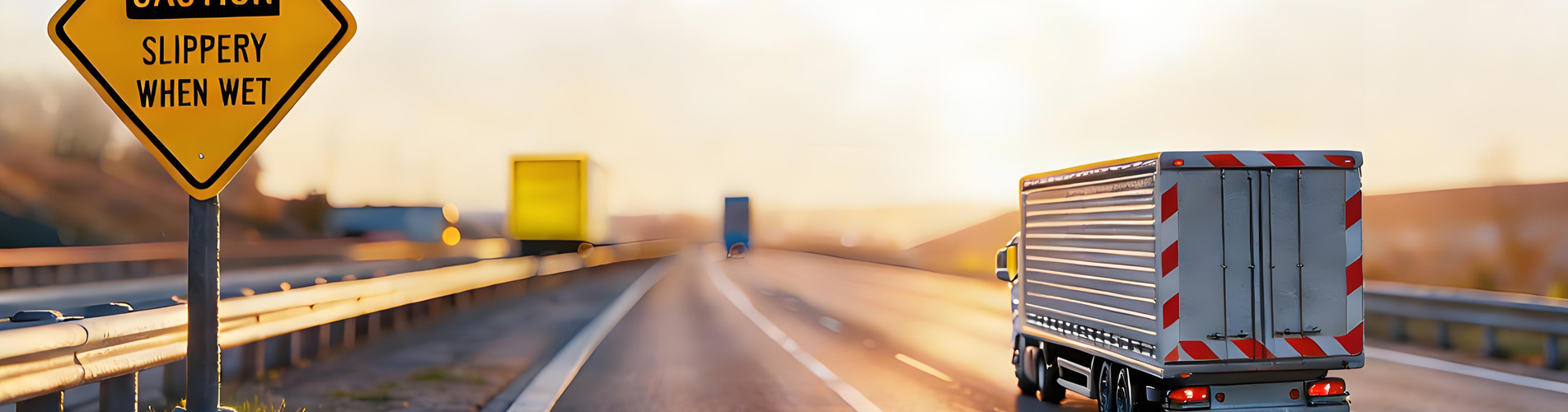
Reflective sheeting is a retroreflective polymer film that bounces vehicle light back to the source. It improves visibility at night and in bad weather, and is a standard safety material for traffic and construction projects.
There are two main types: glass bead reflective sheeting (cost-effective for general use) and micro prismatic reflective sheeting (high durability for high-standard outdoor projects).
Quick selection rule: Choose glass bead sheeting for low-speed and civilian scenarios. Choose micro prismatic sheeting for highways, municipal roads and long-term outdoor applications.
Key Takeaways
Reflective sheeting is an essential passive safety material for traffic and construction engineering. It is divided into glass bead type for cost-effective civilian scenarios and micro prismatic type for high-standard outdoor engineering. Proper selection based on project scenarios, climate conditions and certification requirements helps balance safety, compliance and procurement cost.
Definition and Working Principle
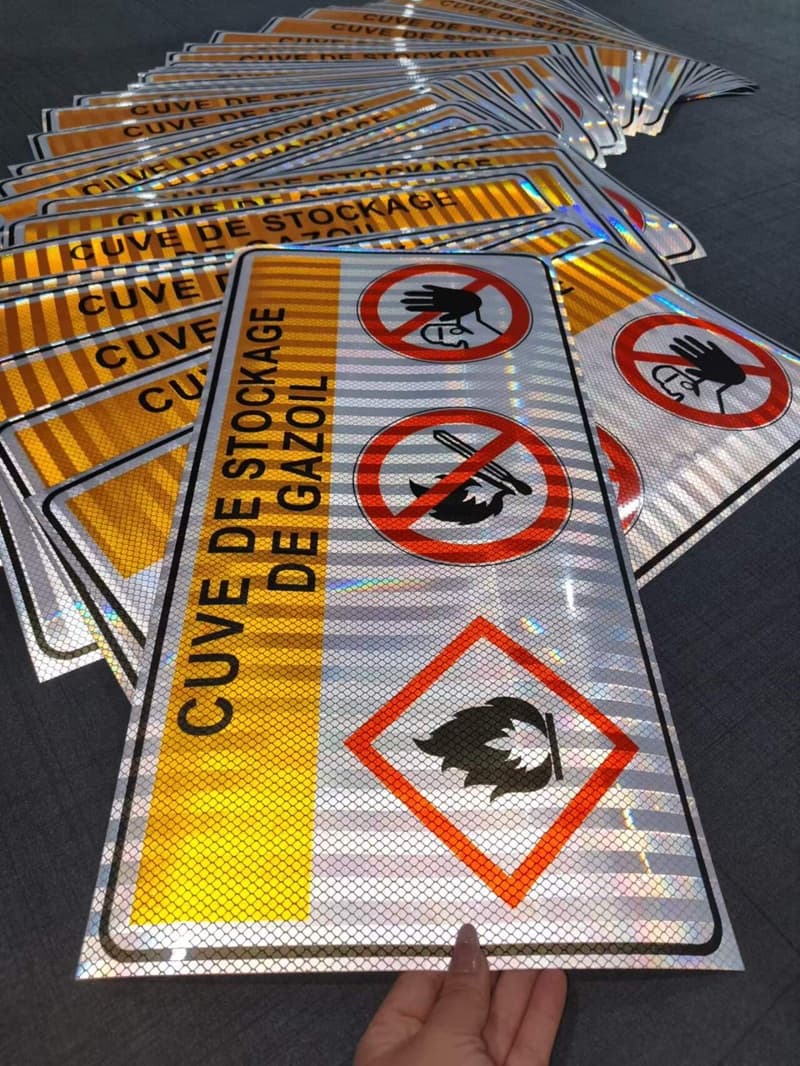
Reflective sheeting is a flexible multi-layer polymer film designed with a professional retroreflective optical structure. Unlike ordinary materials that scatter light, it reflects light directly back toward the light source (vehicle headlights).
This passive optical feature enables long-distance warning, zero energy consumption, excellent outdoor weather resistance and stable compliance for safety engineering.
Two Main Types of Reflective Sheeting + Comparison Table
Glass Bead Reflective Sheeting
Glass bead reflective sheeting provides stable basic reflection performance with lower cost. It is widely used for parking lots, community signs and low-speed road facilities. The typical outdoor service life is 3–5 years.
Micro Prismatic Reflective Sheeting
Micro prismatic reflective sheeting adopts advanced micro-optical structure. It delivers higher brightness, longer visible distance and stronger UV and weather resistance. It is suitable for highways, municipal main roads and high-standard engineering projects, with a service life of 7–10 years.
Comparison Table: Glass Bead vs Micro Prismatic Sheeting
| Item |
Glass Bead Reflective Sheeting |
Micro Prismatic Reflective Sheeting |
| Brightness & Visible Distance |
Standard, basic warning effect |
Ultra-high brightness, long-distance visibility |
| Weather Resistance |
Regular |
Excellent (anti-UV, high temperature and rain resistant) |
| Service Life |
3–5 years |
7–12 years |
| Cost |
Low, suitable for bulk civilian projects |
Higher, for high-performance engineering |
| Application Scenarios |
Small civil projects, low-speed roads |
Municipal & highway key projects |
Common Reflective Sheeting Grades (ASTM D4956)
- Type I (Engineer Grade): Glass bead type, designed for low-traffic roads and general warning signs.
- High-Intensity Prismatic Grade: Balanced performance and cost, widely adopted for municipal medium-level road projects.
- Diamond Grade: Top-level micro prismatic sheeting, used for highways and national road high-standard projects.
Main Applications
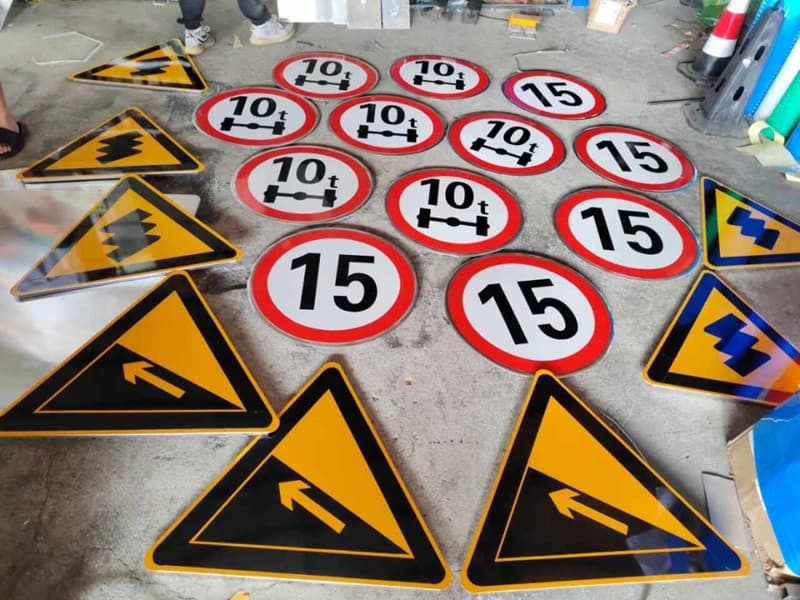
- Road traffic signs, guardrails and construction barrier markings
- Truck and engineering vehicle body reflective markings (compliant with FMVSS 108)
- Construction site and industrial safety warning identification
Real Project Cases
- Brazil Municipal Road Project: Supplied diamond-grade micro prismatic sheeting for urban road renovation. The material resisted strong UV and high temperature, ensuring long-term outdoor compliance.
- Southeast Asia Community & Parking Project: Bulk glass bead reflective sheeting provided cost-effective and stable performance for civilian safety sign projects.
- Vehicle Supporting Export Project: Supplied certified reflective sheeting to meet international vehicle safety standards for complete vehicle export.
Industry Standards & Key Performance Indicators
Qualified reflective sheeting must comply with mainstream international standards including ASTM D4956, EN traffic safety standards and FMVSS 108. Core evaluation indicators include retroreflective brightness, UV resistance, waterproof performance and outdoor service life. High-quality reflective sheeting effectively improves night visibility and reduces traffic safety risks.
B2B Selection Guide
- Choose glass bead sheeting for cost-sensitive civilian and low-speed projects.
- Choose micro prismatic sheeting for long-term outdoor, high-temperature, rainy and high-standard road projects.
- For bidding projects, select grades strictly according to required certification standards.
FAQ
What is the difference between reflective sheeting and reflective tape?
Reflective sheeting is thicker, larger in size, flat-panel based and mainly used for road signs. Reflective tape is narrower, flexible and more often used for vehicle marking and partial warning decoration.
How long does outdoor reflective sheeting last?
Glass bead sheeting lasts 3–5 years outdoors. High-quality micro prismatic sheeting can reach 7–10 years under standard outdoor conditions.
Is micro-prismatic better than glass bead sheeting?
Micro-prismatic sheeting has better brightness, longer visible distance and stronger weather resistance. Glass bead sheeting is more cost-effective for ordinary projects.
What grade is best for road sign projects?
General urban roads use high-intensity grade. Highways and national roads require diamond-grade micro prismatic sheeting.
What certifications do standard reflective sheeting need?
Main certifications include ASTM D4956 (US standard), EN EU traffic standard and FMVSS 108 vehicle safety standard.
Contact Us
We are a professional reflective sheeting manufacturer from China. We supply full-series glass bead and micro prismatic reflective sheeting with complete international certifications. We support bulk orders and customized solutions. Feel free to contact us for free samples and project quotations.

 Language