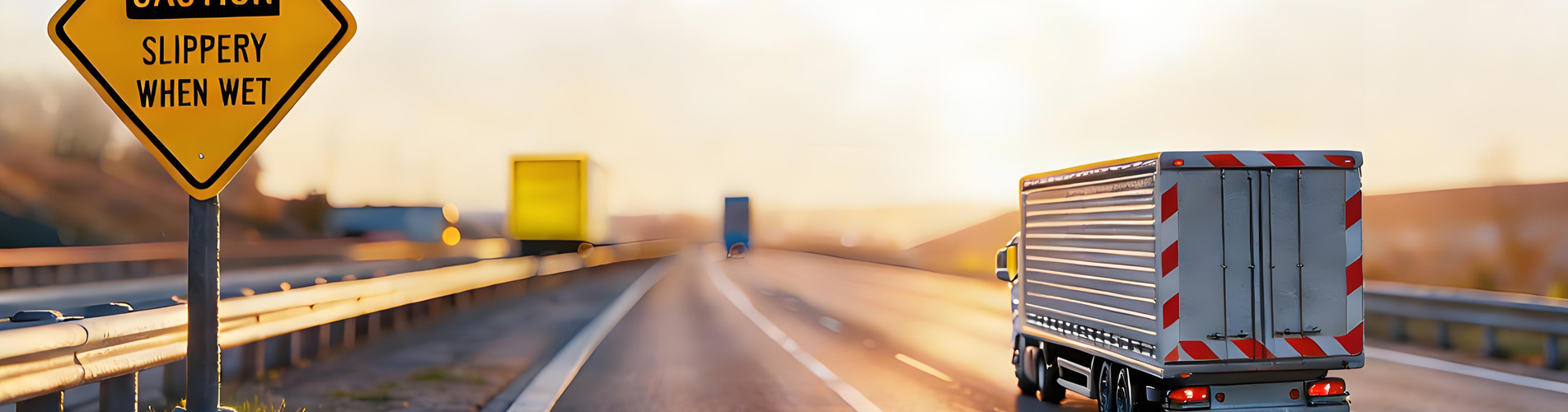
When driving down a dark interstate at night, a driver’s safety depends heavily on the visibility of the road ahead. For municipal contractors and traffic safety professionals, choosing the right material for highway traffic signs is a critical decision that impacts not just budgets, but lives. For decades, the industry has relied on two primary technologies: traditional glass bead and advanced micro prismatic materials. But when it comes to high-speed, high-risk environments, which one actually performs better?
To make an informed choice, let's break down how each technology works and where they excel.
The Traditional Standard: Glass Bead Technology
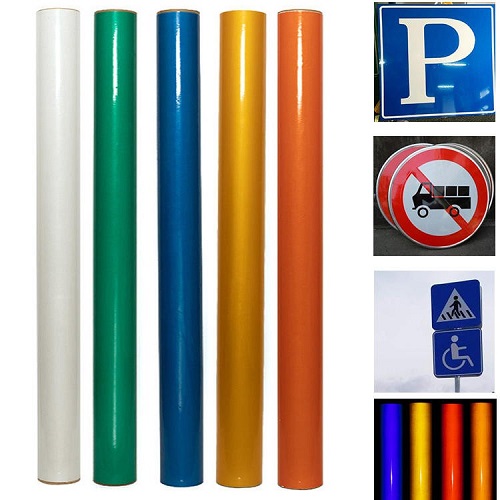
Historically, glass bead reflective tape and sheeting have been the go-to standard for road safety. This material works by embedding thousands of microscopic glass spheres into a flexible resin. When vehicle headlights hit the surface, the light bends inside the beads and bounces back toward the driver.
While glass bead sheeting is cost-effective and perfectly suitable for off-road signage, private parking lots, or low-speed residential areas, it has structural limitations. It typically reflects only about 30% to 40% of the light back to the source. On a fast-moving highway, that level of brightness might not give drivers enough reaction time, especially in heavy rain or fog.
The Modern Upgrade: Micro Prismatic Technology
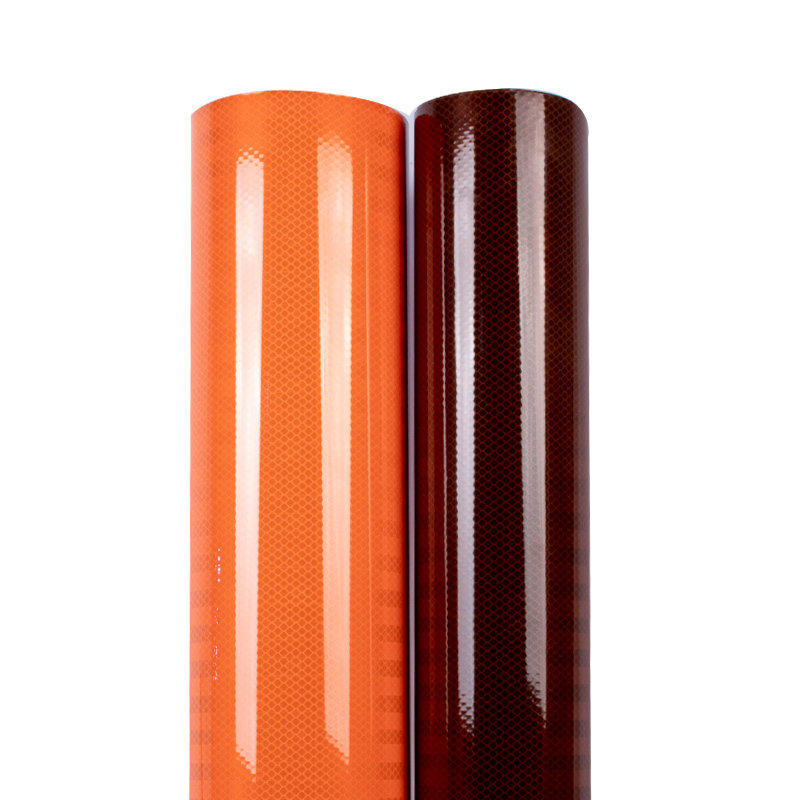
If you've noticed modern highway signs appearing incredibly bright and crisp even from long distances, you are looking at micro prismatic reflective sheeting. Instead of round beads, this material uses microscopic, three-dimensional cube corners engineered from clear acrylic or polycarbonate.
Because of this geometric precision, the light hits the flat surfaces of the tiny prisms and reflects nearly 80% to 100% of the light straight back to the driver's eyes. The result is a much brighter sign that can be seen from significantly farther away and at wider viewing angles.
The Verdict for Highway Applications
For major roadways, the choice is clear. The superior reflectivity of micro prismatic materials ensures that drivers can read critical information earlier, reducing panic braking and accidents. Furthermore, high-speed zones often require materials that are strictly MUTCD compliant for higher performance grades (such as High Intensity Prismatic or Diamond Grade). Glass bead materials simply cannot meet the photometric requirements for these top-tier specifications.
While the initial investment for prismatic sheeting is slightly higher, its durability makes it more economical in the long run. It resists weathering, UV degradation, and cracking far better than its glass bead counterpart, meaning fewer replacements over a 10-year lifespan.
Partnering with the Right Manufacturer
Quality matters when road safety is on the line. If you are looking to upgrade your traffic control infrastructure with durable, high-visibility materials, Lianxing offers industry-leading reflective solutions tailored for global standards. From municipal projects to commercial vehicle safety, we provide reliable products that keep roads safe in any condition. Discover our full range of certified reflective materials and request a quote today at https://www.cnlianxing.com.

 Language